- English
- Español
- Português
- русский
- Français
- 日本語
- Deutsch
- tiếng Việt
- Italiano
- Nederlands
- ภาษาไทย
- Polski
- 한국어
- Svenska
- magyar
- Malay
- বাংলা ভাষার
- Dansk
- Suomi
- हिन्दी
- Pilipino
- Türkçe
- Gaeilge
- العربية
- Indonesia
- Norsk
- تمل
- český
- ελληνικά
- український
- Javanese
- فارسی
- தமிழ்
- తెలుగు
- नेपाली
- Burmese
- български
- ລາວ
- Latine
- Қазақша
- Euskal
- Azərbaycan
- Slovenský jazyk
- Македонски
- Lietuvos
- Eesti Keel
- Română
- Slovenski
- मराठी
- Srpski језик

Soft Door Curtain Machine: How It Runs, Machine Types & Buying Advice for Makers
Soft Door Curtain Machine is a specialized piece of equipment used for producing flexible soft door curtains, which are widely applied in industrial workshops, cold storage facilities, warehouses, and commercial areas. By automating the cutting, welding, or processing of soft curtain materials, this machine helps improve production efficiency and maintain consistent product quality.
With the growing demand for energy-saving and environmental control solutions, soft door curtains have become an important product for improving space separation, temperature control, dust protection, and operational convenience.
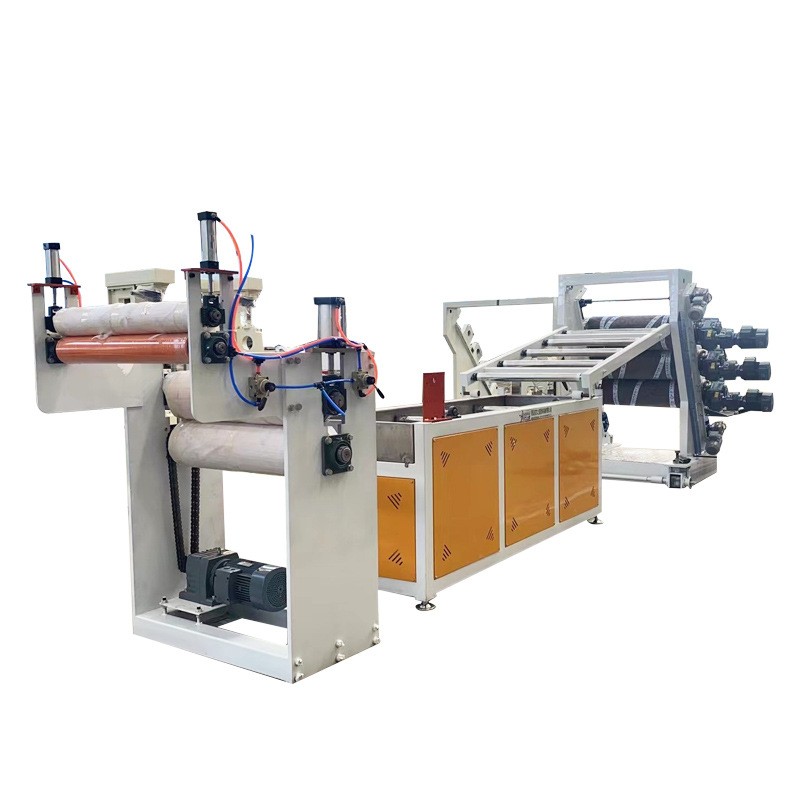
How Does a Soft Door Curtain Machine Work?
The working process of a soft door curtain machine usually involves several steps, from material feeding to final processing.
Material Feeding
The PVC or flexible curtain material is placed into the feeding system. Some machines use automatic feeding mechanisms to improve production speed and reduce manual operation.
Cutting and Positioning
The machine cuts the material according to preset dimensions. Accurate positioning helps ensure that each curtain strip or sheet maintains consistent size.
Welding or Sealing Process
For curtain products requiring connections or reinforced areas, heat welding or other bonding methods may be used to improve strength and durability.
Finished Product Inspection
After processing, the curtain products are checked for size accuracy, surface quality, and overall appearance before packaging or installation.
Main Types of Soft Door Curtain Machines
PVC Strip Curtain Making Machine
This type of machine is mainly used for producing PVC strip curtains commonly found in warehouses, workshops, and cold storage areas.
Typical functions include:
- Strip cutting
- Length control
- Batch production
PVC Sheet Welding Machine
PVC sheet welding machines are designed for larger curtain structures that require stronger connections or customized sizes.
Automatic Soft Curtain Production Line
Automatic production lines integrate multiple processes to reduce manual work and improve manufacturing efficiency.
Materials Used for Soft Door Curtains
The performance of soft door curtains depends greatly on the material properties.
| Material | Characteristics |
|---|---|
| PVC | Flexible, transparent, and widely used for industrial curtains |
| Anti-Static PVC | Helps reduce static electricity in sensitive environments |
| Cold Resistant PVC | Suitable for low-temperature applications such as cold storage |
| High Temperature Resistant Materials | Designed for environments with higher temperature requirements |
Key Features of Soft Door Curtain Machines
High Processing Efficiency
Automated processing reduces manual operations and allows manufacturers to produce larger quantities of soft curtain products in less time.
Consistent Product Dimensions
Precision control systems help maintain accurate cutting lengths and processing positions.
Flexible Production Options
Many machines can be adjusted according to different curtain sizes, thicknesses, and production requirements.
Reduced Material Waste
Accurate cutting and optimized processing methods help improve material utilization.
Applications of Soft Door Curtain Machines
Cold Storage Facilities
Soft PVC curtains are commonly used in cold rooms and refrigerated areas to reduce air exchange and help maintain temperature stability.
Industrial Workshops
Factories use soft curtains for separating work areas, reducing dust circulation, and improving working environments.
Warehouses and Logistics Centers
Soft curtains help create flexible partitions while allowing vehicles and workers to pass through easily.
Commercial Facilities
Retail spaces, restaurants, and service areas may use soft curtains for space separation and environmental control.
Important Factors When Selecting a Soft Door Curtain Machine
Production Capacity
The required output volume should match the machine processing speed and automation level.
Material Compatibility
The machine should be suitable for the curtain materials and thickness ranges used in production.
Processing Accuracy
Stable cutting and positioning accuracy are important for maintaining finished product quality.
Operation and Maintenance
A practical machine design should allow convenient operation, cleaning, and routine maintenance.
Common Problems in Soft Door Curtain Production
Uneven Cutting Size
Incorrect settings, material movement, or equipment adjustment problems may affect cutting accuracy.
Weak Welding Strength
Improper temperature, pressure, or processing time may reduce bonding performance.
Material Wrinkles or Deformation
Incorrect handling or unsuitable processing parameters may affect the appearance of finished curtains.
Maintenance Tips for Soft Door Curtain Machines
Clean Processing Areas Regularly
Removing dust and material residue helps maintain stable machine operation.
Check Moving Components
Regular inspection of mechanical parts helps reduce wear and unexpected downtime.
Maintain Electrical Systems
Checking control systems, wiring, and sensors helps ensure reliable operation.
Frequently Asked Questions About Soft Door Curtain Machines
What materials can a soft door curtain machine process?
Most machines are designed for PVC strips, PVC sheets, and other flexible plastic curtain materials.
Where are soft door curtains commonly used?
They are widely used in cold storage, warehouses, factories, workshops, and commercial spaces.
Can soft door curtain machines produce customized sizes?
Many machines can be adjusted to produce curtains with different widths, lengths, and thickness requirements.
What affects the service life of a soft door curtain machine?
Material quality, operating conditions, maintenance frequency, and proper usage all influence equipment service life.