- English
- Español
- Português
- русский
- Français
- 日本語
- Deutsch
- tiếng Việt
- Italiano
- Nederlands
- ภาษาไทย
- Polski
- 한국어
- Svenska
- magyar
- Malay
- বাংলা ভাষার
- Dansk
- Suomi
- हिन्दी
- Pilipino
- Türkçe
- Gaeilge
- العربية
- Indonesia
- Norsk
- تمل
- český
- ελληνικά
- український
- Javanese
- فارسی
- தமிழ்
- తెలుగు
- नेपाली
- Burmese
- български
- ລາວ
- Latine
- Қазақша
- Euskal
- Azərbaycan
- Slovenský jazyk
- Македонски
- Lietuvos
- Eesti Keel
- Română
- Slovenski
- मराठी
- Srpski језик

The global TPE waterproofing equipment market is accelerating — is your production line keeping up?
TPE (thermoplastic elastomer) waterstops are replacing PVC and rubber at an annual growth rate of 6.8%, driven by infrastructure investment in the Middle East, Southeast Asia, and Latin America. At the same time, pipe penetration seals — the overlooked workhorse of every tunnel, dam, and basement project — are seeing 12–15% year-over-year order growth on Alibaba.com for injection-molded EPDM and TPE pipe boots.
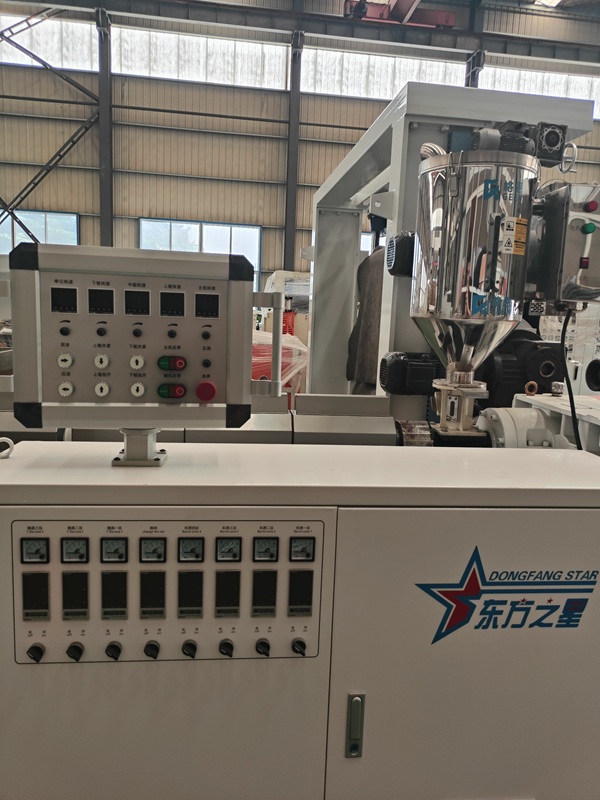
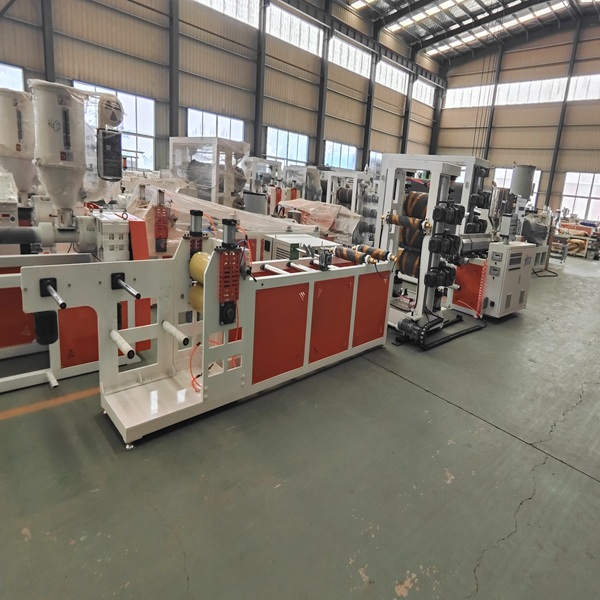
For manufacturers, the math is simple: a dedicated TPE Waterstop Extrusion Line paired with a Pipe Penetration Seal Molding Machine covers both ends of the construction waterproofing supply chain. Here's what a 2025-ready setup looks like.
1. Why TPE Waterstops Are Winning
TPE offers three advantages that PVC and EPDM cannot match:
|
Property |
PVC |
EPDM Rubber |
TPE |
|
Recyclability |
✗ |
✗ |
✓ 100% recyclable |
|
Temperature range |
-10°C to 60°C |
-40°C to 120°C |
-50°C to 130°C |
|
Elastic recovery |
60–70% |
85–90% |
>95% |
|
On-site weldability |
Limited |
Difficult |
✓ Hot-air weldable |
|
Density (g/cm³) |
1.35–1.45 |
1.15–1.30 |
0.89–1.10 |
|
Carbon footprint (kg CO₂/kg) |
2.5–3.0 |
3.5–4.0 |
1.8–2.2 |
Bottom line: specifying TPE waterstops reduces material weight by 20–25% versus PVC while delivering wider thermal tolerance. For your customers — construction contractors — this translates directly to lower logistics cost and fewer on-site joint failures.
Equipment Specs That Matter
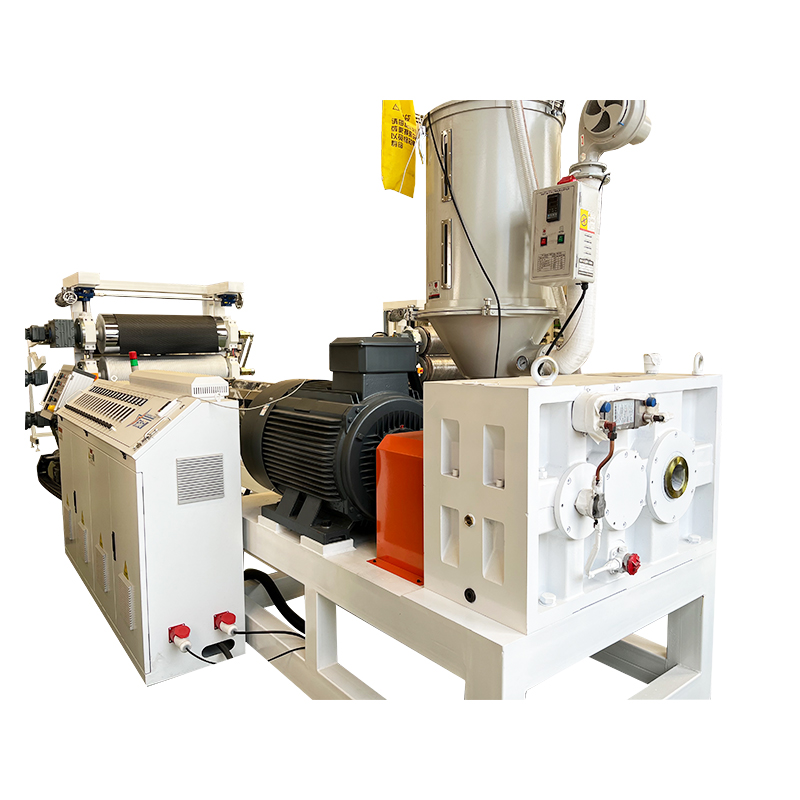
A 2026-ready TPE Waterstop Extrusion Line should include:
Twin screw extruder — 12-zone independent temperature control (±1.5°C accuracy), critical for TPE's narrow processing window
Custom modular die head — supports 3+ waterstop profiles (center bulb, dumbbell, flat with ribs) without full die replacement; cuts tooling cost by 30–40%
Multi-stage vacuum calibration tank — 6-meter effective cooling length with closed-loop water temperature control
Servo-driven haul-off — ±0.05% speed stability, synchronized with extruder output
Automatic coil winding — tension-controlled winding reduces labor by 1 operator per shift

2.Pipe Penetration Seals — The Overlooked Growth Engine
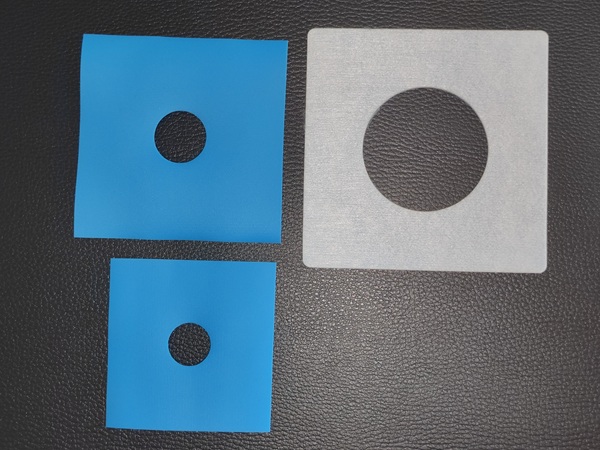
While waterstops drive large-scale infrastructure contracts, pipe penetration seals (pipe boots, pipe flashing sleeves) represent a high-margin, high-repeat-order segment. Every pipe passing through concrete — from 50 mm service pipes to 800 mm drainage mains — requires a waterproof seal.
Market Snapshot
|
Product |
Material |
Diameter Range |
Avg. Order Qty |
Gross Margin |
|
Small pipe boot |
EPDM / TPE |
50–110 mm |
5,000–20,000 pcs |
35–45% |
|
Medium pipe boot |
EPDM / PVC |
125–250 mm |
2,000–5,000 pcs |
40–50% |
|
Large penetration seal |
EPDM / Silicone |
300–800 mm |
500–2,000 pcs |
45–55% |
|
Custom shaped seal |
TPE / EPDM |
Per spec |
1,000–10,000 pcs |
50–60% |
Equipment sweet spot: Injection molding machines with 200–500 ton clamping force cover 90% of commercial diameter ranges while maintaining 15–25 second cycle times for EPDM compounds. Injection volume target: 800–1,200 cm³, screw L/D ratio 20:1 for optimal EPDM plastication.
3. Three Features That Separate 2025 Equipment from Legacy Lines
① Material Flexibility — Measured by Changeover Time
A line that switches between TPE, PVC, and EPDM with <4-hour changeover multiplies your addressable market. Look for:
- Quick-clamp die head connections (not bolted)
- Segmented screw design for rapid material purge
- Dual-hopper feeding with automatic switchover
Fact: Manufacturers running multi-material lines receive 2.3× more RFQs compared to single-material competitors.
② Automation Level — Measured by Manpower per Shift
|
Automation Tier |
Operators / Shift |
Scrap Rate |
Typical ROI Period |
|
Manual (legacy) |
4–5 |
8–12% |
— |
|
Semi-auto (PLC basic) |
2–3 |
5–8% |
14–18 months |
|
Full-auto (servo + PLC) |
1–2 |
2–4% |
10–12 months |
The jump from semi-auto to full-auto reduces annual scrap cost by approximately $18,000–$25,000 for a line producing 1,200 tons/year — effectively self-funding the automation upgrade.
③ Die Head Design — Measured by Profile Changeover Cost
Modular die heads save $8,000–$15,000 per year in die sets and 15–20 production days annually. For perspective: a traditional fixed die head requires 4–6 hours per profile change; modular systems complete the switch in under 45 minutes.